
Many of my friends have been busy this month getting kids settled into dorm rooms and first apartments. It doesn’t matter if it’s the first time or the last time, the physical and emotional tolls are real.
I keep seeing a social media post about parents buying succulents for their children’s new space. I get it; plants make a space feel like home, but succulents can be tricky. Now that it has been a few weeks, and you may be seeing them for the first time, that original plant might need to be replaced. I have a few ideas to increase the odds of the next plant living until Christmas break.
Plants not only add a touch of nature to a living space but also have numerous benefits. They can improve air quality, reduce stress, and enhance concentration and productivity.
I have killed more than my share of plants, succulents included, but here are a few that I have kept alive for more than a minute. Even a student spending most of their time in the library (wink, wink) can maintain.
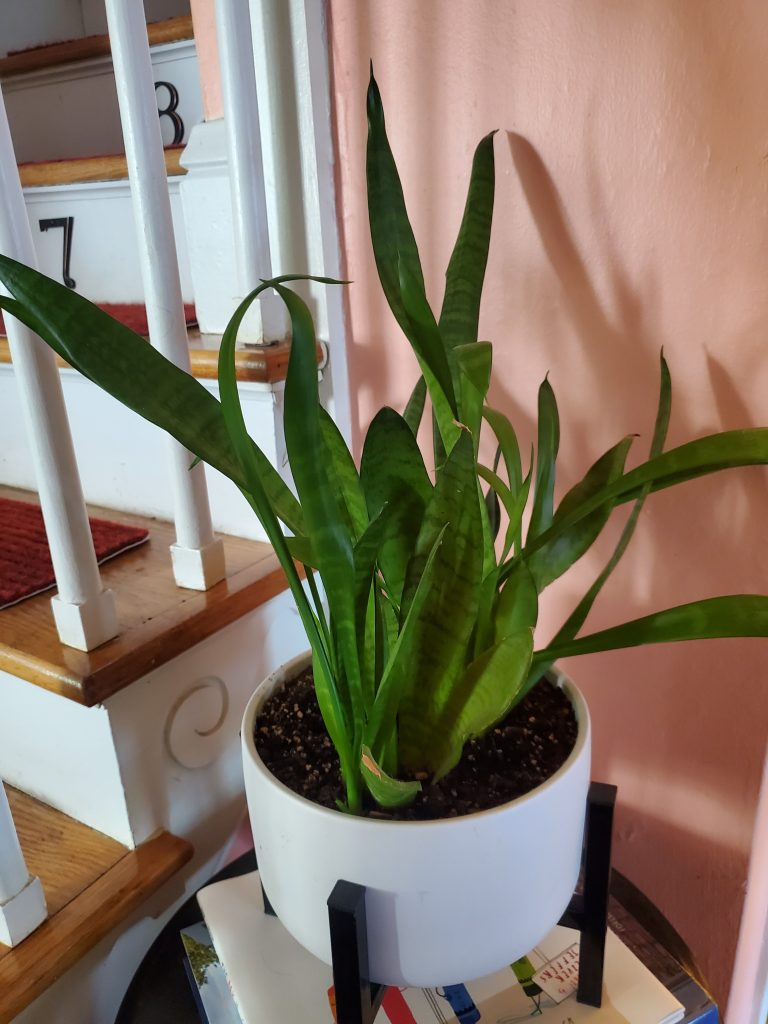
The Snake Plant (Dracaena trifasciata) is as tough as its nickname “Mother-in-law’s tongue.” The leaves are long sword-like and can be solid green or striped with a creamy, yellowish band. The leaves stand tall, reaching a height of anywhere between 2 to 5 feet tall.
Snake plants like indirect sunlight light but should survive in a low-light environment – although this may cause the leaves to remain green and not pick up the variant colors.
When it comes to water, this plant is a college student’s dream. The soil should completely dry out between waterings. A good drink of water once every two or three weeks is enough to keep this plant alive. That means it can survive long weekend getaways or winter break without worry.
Aloe vera (Aloe baradensis) is another succulent that works with dorm life. This easy-to-grow succulent needs a sunny spot to stay healthy. When potting the plant, add a little sand to the potting soil to allow for good drainage.
Good soil drainage will prevent the plant’s roots from getting too wet and eventually rotting because of over-watering. Aloe vera is another plant that only needs water every few weeks. Your students may need to be reminded to drink water daily, but for the aloe, like most succulents, too little water is better than too much.
Aloes earn bonus points for being a burn or insect bite soother. Simply break the succulent leaf and gently apply it to treat minor burns.
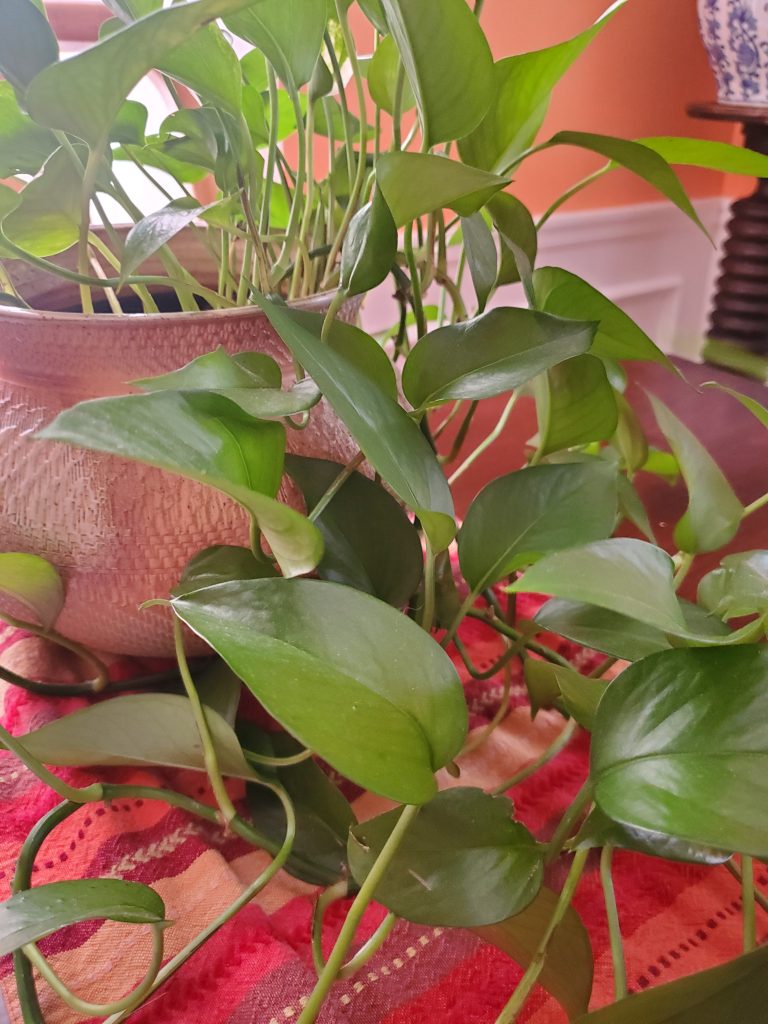
My number one pick for easy care and creating that at-home feeling is the plant Pothos (Epipremnum aureum.) This easy-to-grow tropical vine will tolerate low light and mild neglect. If placed in a spot with indirect sunlight, the vine leaves may have golden swathes, but low light will create solid green leaves.
Pothos is a good choice for a hanging basket or a planer on a bookshelf. The vine will grow and cascade over the planter side. No hanging basket? No problem. Let the vine crawl through a desk or dresser top. I have two containers of pothos, and both are sitting on table tops, the vines have grown and wound around to create interest and fullness in the areas.
These suggestions are also mentioned in a 1989 NASA Clean Air Study. They have been found to reduce indoor air pollutants such as formaldehyde, carbon monoxide, and xylene. These chemicals can be released from paints, cleaners, and other products.
As much as I would like to let the NASA study be the ending, I must mention a study by the Journal of Exposed Science & Environmental Epidemiology that agreed the plants do aid in purifying the air but do so at a rate too slow to make a difference.
Regardless of the studies, keeping plants alive is an accomplishment. No one needs the guilt and feeling of failure a dry, crusty plant brings, so set your students up for gardening success with easy-care greenery that gives them the cozy feeling of home, comforting them in their new living spaces.