
August 2 2025
Jane Powell
I remember as a kid, my sister and I playing around the house, then hearing a familiar noise, and running to the kitchen with excitement.
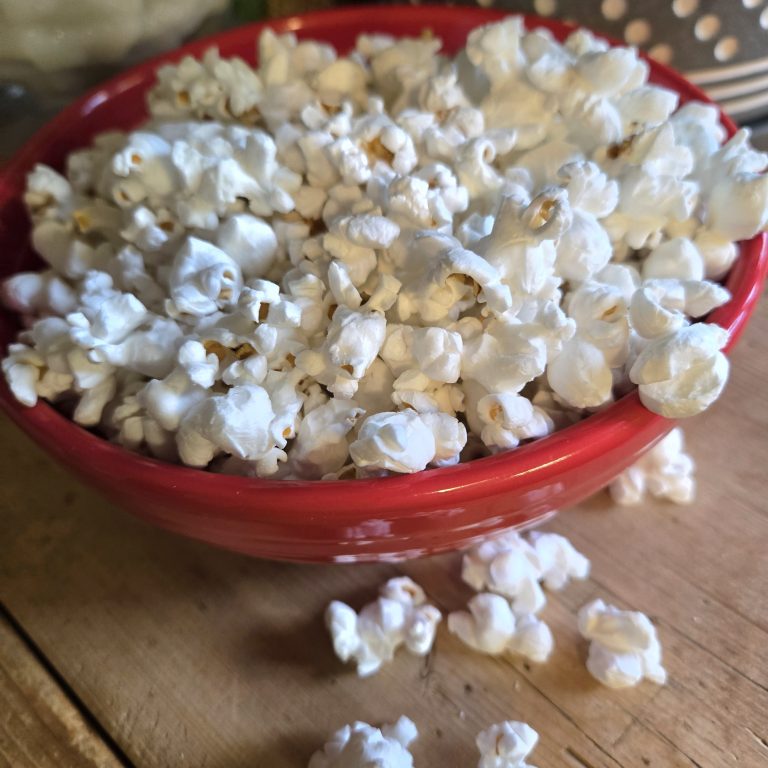
That sound? Popcorn kernels being poured into the metal pan.
If we missed that, then hearing the shake of the pan, followed by ‘pop, pop, pop,’ was like a beacon to get our attention.
This week, I traveled down a few country roads that brought back memories of my grandfather’s very rural farm. It was a place I spent my summers and learned about country living, including growing popcorn.
All corn is not created equal. There is field corn, used for livestock and products, sweet corn, which we have on the dinner table, and popcorn (Zea mays everta). When planting, it is very important to keep them separate to prevent cross-pollination.
When planting popcorn, it is best to direct seed into the ground once the soil temperature is 60 degrees. Plant at least four rows. This is enough to let the popcorn self-pollinate.
Place the seeds in the ground at least one inch deep and 8 inches apart. Keep the area well watered. Popcorn takes a little longer than sweet corn to germinate, but should reach maturity in 90-120 days.
Mature ears of popping corn will have full, shiny kernels and dry husks. Let the ears remain on the stalks as long as possible, allowing the kernels to dry on the stalks.
If there is a chance it gets rainy while the ears are drying on the stalks, pull the mature ears and bring them inside to dry. Remove the husks and put the cobs in a mesh bag to dry in a warm, well-ventilated area.
Although the kernels need to be dry, they also need a bit of moisture to pop. It’s this moisture that turns to steam and, when heated, causes the kernel to burst open.
Drying. Monitoring moisture. This can be a tricky balance and somewhat of a guessing game.
Too much moisture and the kernels will not pop fluffy and crisp. Extra moisture will make the popped kernels chewy and tough. To gage the moisture level, pop a few, maybe 20 kernels each week, until the texture is right and delicious.
Ok, now that the mature ears are dry, it is time to store the kernels. Oh, you could store the entire ear, but who has the room for that? Plus, when you want fresh popped corn, you will want to pour it from a jar instead of shelling an ear each time.
Removing the dry kernels from the ears is not easy. I remember sitting on my grandfather’s living room floor with big bowls and ears of dried corn. We would rub the ears together, letting the friction loosen the kernels from the cob, then kind of pulling them with our hands to shell the kernels into the pan.
What fun it was! What a great memory!
Fun fact I learned while doing a little popcorn research. Remember the Charlie Brown Thanksgiving Special when Snoopy makes a Thanksgiving feast of popcorn and toast? Like most cartoons, it is based on truth and historical events.
Corn was a staple in the Native Americans’ diet long before the Pilgrims arrived. It was Chief Massasoit’s brother who introduced the pilgrims to popcorn when he brought a deerskin sack filled with popped corn to the first feast.
From there, the earlier settlers learned the value of popcorn. It was easy to store and could be popped fresh in the winter months, serving as a side to meats or garnish for soups. For a sweet treat, the popped corn could even be mixed with maple syrup, creating early popcorn balls.
Most popcorn these days comes from the microwave, movie theater, or a pre-popped bag at the grocery store. I have a stove-top popper I pull out from time to time. That sound of the kernels poured into the pan is still a favorite. Even the pup knows the yummy treats that follow the ‘pop, pop, pop.’